A pop-up hitter in baseball won’t have a long career. But pop-up architecture? It’s been around in one form or another for two millennia. Combined with today’s modern modular construction techniques, it is emerging as a surprisingly versatile solution to combat today’s rapidly changing urban– commercial environments. They’re adaptable structures that can be deployed in weeks and relocated as needed – providing unique retail experiences and event spaces in modern cities, to name a few.
What is Pop-up Architecture, and When Did it Originate?
Pop-up architecture refers to temporary structures designed for short-term use and eventual relocation. The technique doesn’t fit into a simple box, despite the given definition. It continues to evolve.
These structures are:
- Quickly assembled and disassembled
- Easily transported between locations
- Can be adapted to different purposes
- Can be built using modular or prefab construction methods
Just like offsite construction, the cncept of pop-up architecture isn’t new. Temporary structures appeared in Rome as early as 58 BCE, serving both practical and political purposes.
Prefabrication isn’t new either. A standout early example of this construction method was hte Crystal Palace, which was built in 1851 to house a popular exhibition. This massive glass and iron structure was later disassembled and reconstructed at an entirely different location.
What's the Role of Modular Construction in Pop-Up Architecture?
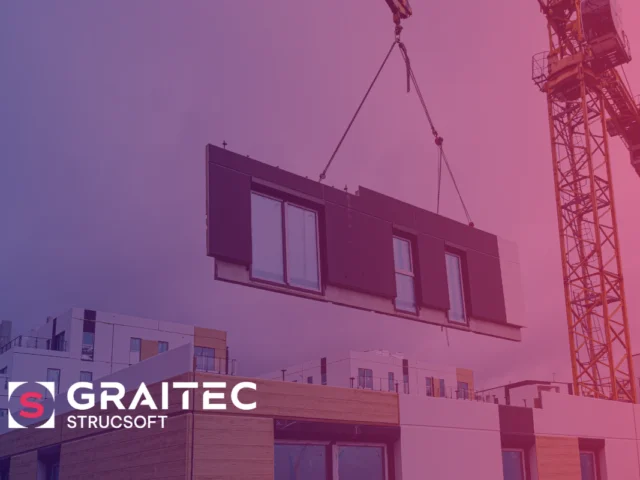
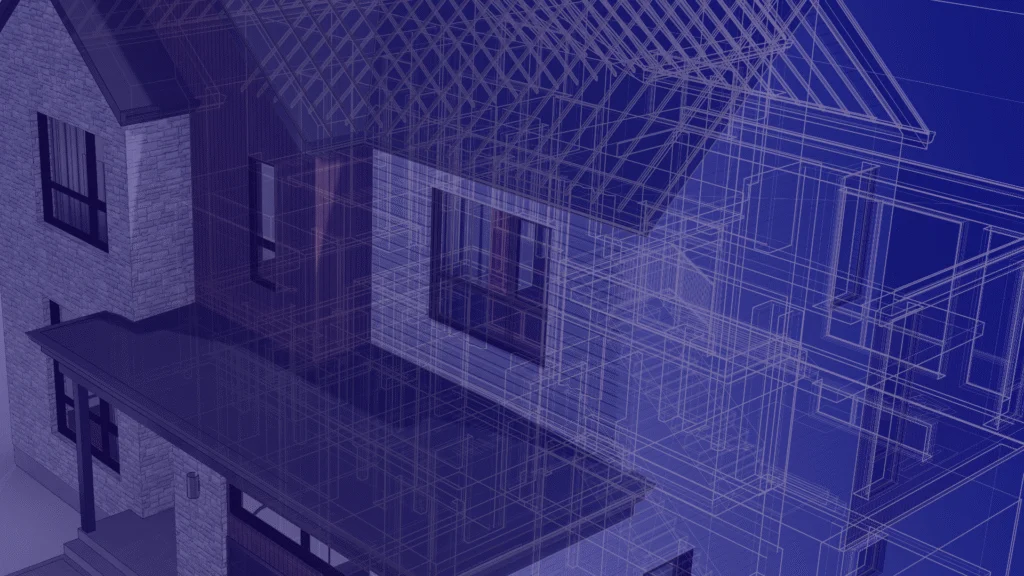
Modular construction and popup architecture are a natural match. After the digital blueprint or BIM design of the structure has been completed, it is manufactured in a controlled factory environment. Modular construction, an offshoot of offsite construction, typically involves producing entire sections or ‘modules’ inside a factory that are then assembled on-location.
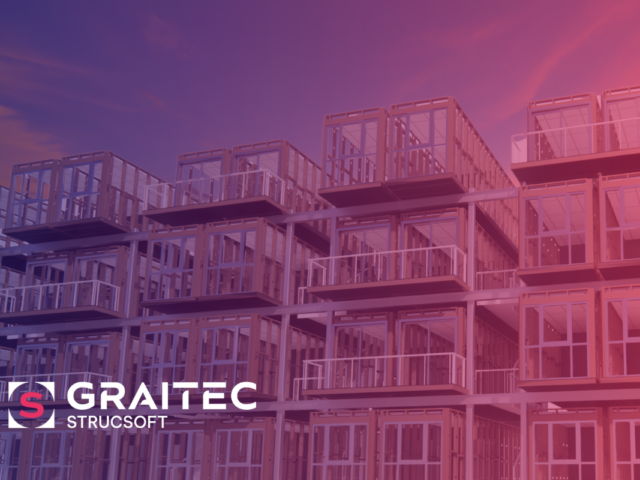
For popup architecture, this means using relocatable modular construction – which as MBI defines it, are modular buildings that are designed to be repurposed and transported to various buliding sites.
Flexibility and utility combined
Construction materials such as light gauge steel framing offer a high degree of design flexibility. Once a modular factory’s production line is setup – it can produce multiple identical modules that are ideal for projects that require a high degree of repetition and standardization.
Modular construction techniques in conjunction with Revit and BIM tools such as framing software enable teams to design modules that are tailored to fit specific space requirements and aesthetics.
Sustainability Built In
Pop-up structures are inherently sustainable due to their reusability and construction materials. One structure serves multiple purposes across different locations. Modular construction amplifies this advantage through material efficiency. Cold-formed steel, a popular choice for light gauge steel framing, is 100% recyclable. Factory-controlled fabrication with CNC machinery and roll-formers minimizes material waste compared to on-site construction, where excess materials often end up in landfills. The result? Buildings that are both temporary and responsible.
Modular Construction and Pop-up Architecture in Urban Environments
Tight sites, traffic disruptions, material storage challenges – building in dense urban areas poses several logistical challenges. Modular construction on the other hand offers minimal site-disruption while maximizing flexibility.
For instance, during a major urban event, a retailer can capitalize on the crowd by deploying a pop-up structure right at the venue. These modular designs can be disassembled easily, making them highly portable and easy to relocate across cities.
Retailers exploring a new market can also use pop-ups to test the waters: they gauge customer interest and demand without committing to expensive long-term leases or permanent builds. Beyond data collection, a well-executed pop-up generates excitement and brand buzz, priming the audience for a future flagship store or larger permanent location.
The Future of Modular Pop-Up Architecture
Modular construction serves as an enabler for pop-up structures for various reasons:
- Cost-Effectiveness: Prefabrication reduces construction and operational expenses compared to traditional methods.
- Mobility: Structures can be easily disassembled, transported, and relocated to new sites with minimal effort.
- Customization: Designs can be tailored precisely to fit spatial and aesthetic requirements.
To unlock the full potential of this approach may call for governments to ease regulatory hurdles – including updating building codes and simplifying permitting processes for relocatable structures.
The negative perception that temporary or modular buildings are inherently lower quality; this view is gradually shifting as high-performance examples proliferate and users experience their durability, comfort, and aesthetics firsthand.
Creatives and urban planners are integrate these flexible spaces into city development strategies, recognizing their transformative power. As modular technology advances—driving further improvements in quality, sustainability, customization options, and affordability—pop-up architecture will continue reshaping urban environments in dynamic, responsive ways
Got a modular project in the works? Learn more about GRAITEC Strucsoft’s solutions for automating wood and metal framing in Revit by getting a free trial
Request Your Free Trial
The industry's leading Revit framing software