Offsite construction is gaining steady traction in becoming the standard for projects that demand agility and cost control. Recent market analysis suggests that the modular construction market is expected to reach $225.7 billion by 2030. What’s driving the momentum? Better digital design tools, factory automation and smarter prefabrication methods that deliver results traditional construction can’t match.
For engineering firms, modular construction and light gauge steel framing mean 30-50% faster project delivery with drastically fewer on-site errors. Compared to traditional methods, prefab construction in a factory setting provides consistent quality control and safer working conditions throughout the year.
Three core technologies are making this possible. Let’s look at them briefly, one by one.
What Are the Key Tech Drivers of Offsite Construction?
But before we do so, let’s back up and ensure we’re on the same page.
Offsite construction is a catch-all term for construction done primarily at a factor, not where the structure will be, i.e. the jobsite. And what is volumetric modular construction?
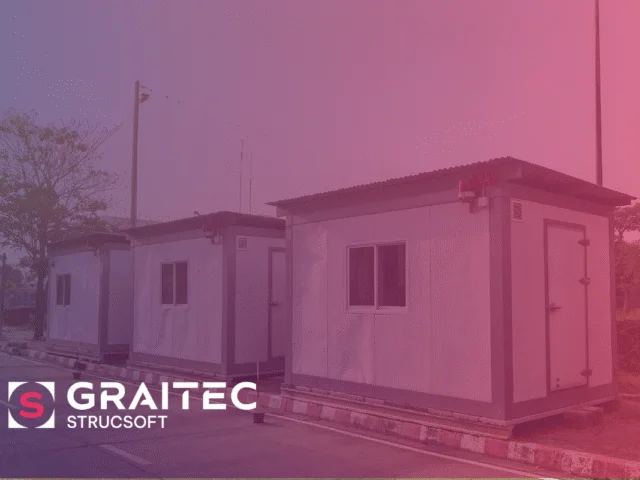
Volumetric modular construction entails building modules (complete units) in a factory, shipping the finished module to its intended destination, and putting them together on site. It’s ideal for projects that require a high degree of repetition or standardization.
A few of the construction technologies that are driving the market, particularly volumetric modular construction, include:
Digital BIM Design and Simulation
Change orders – in many cases unavoidable, nevertheless strangle construction budgets and schedules. In offsite modular construction, there’s even less room for error. Once modules leave the factory, major adjustments become incredibly expensive if not impossible.
Digital design and simulation are therefore critical in ensuring the precision and standardization offered by prefab construction.
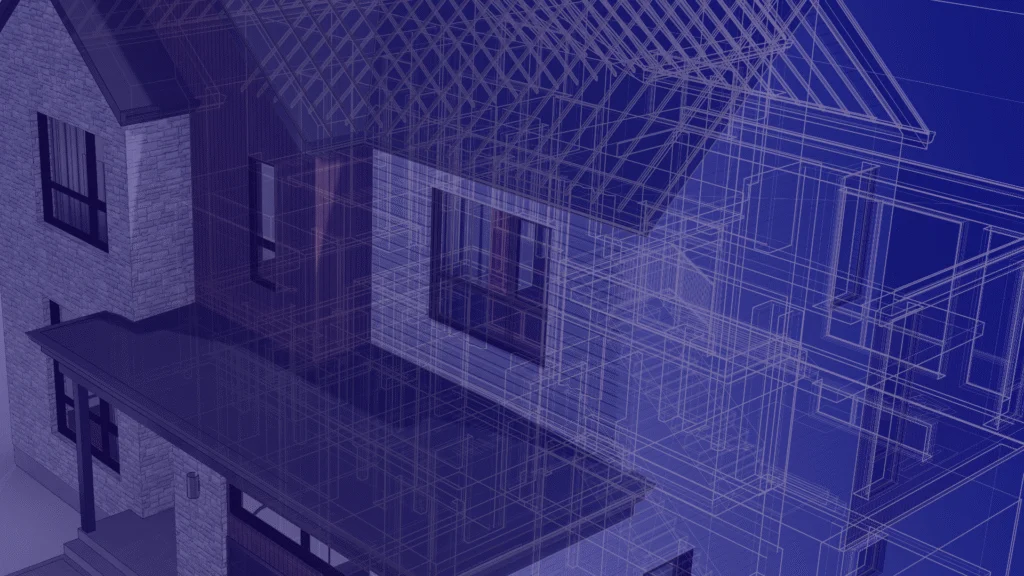
Architects and engineers working in Revit can spot clashes between structural framing and critical elements such as MEP systems well before fabrication begins. A steel stud that conflicts with ductwork? Caught and rectified on screen, not on site. Structural loads that don’t align with wall panels? Fixed in the model, not during installation. As a result, companies save money and improve constructability.
This emphasis on preconstruction design is what makes modular construction viable. Once digital designs are finalized, they are fed directly into manufacturing equipment such as roll formers or wood saws which produce the building components; be it wall panels, floor systems or roof trusses. Or in the case of volumetric modular construction, entire rooms complete with fixtures, which are assembled in the factory, and then transported to the job site for final assembly.
Cloud-based Construction Tools and Software
A small error A batch of wall panel manufactured to the wrong specifications can cause delays and erases the cost advantages of prefab construction. The method requires the same competitiveness in communication as it does in design.
Cloud-based construction software like Autodesk Construction Cloud and Strucsoft ONYX prevent these failures. Design changes made in Revit get pushed to downstream fabrication teams in real time. Shop drawings, material specs, and assembly instructions stay synced – architects see what engineers approved, fabricators build what was actually designed, and site crews know exactly what’s arriving.
This transparency matters, because modular construction has very little margin for error. Cloud platforms ensure everyone – from design to production to installation, is working from the same source of truth. No version control issues, no outdated drawings, no surprises during fabrication or assembly.
The data flowing through these cloud systems also creates opportunities for automation and of course, serves as the entry point for AI-driven optimization.
Smart factories
Traditional fabrication shops tend to rely on manual machine setup and the accumulated know-how of skilled operators. Smart factories flip this model. Machines receive design data directly from BIM software and configure themselves accordingly.
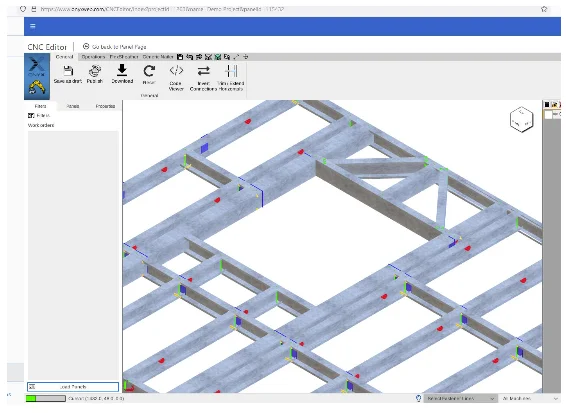
Here’s how it works in practice: The engineering and detailing team finalizes light gauge steel wall panel design in Revit using Strucsoft Metal. That design flows through the pipeline to generate exact cut lists, hole locations, and assembly sequences needed. With ONYX, the BIM data gets translated into CNC code that can be fed straight to the roll former.
The result: factories produce wall panels, floor systems, and roof trusses with the same precision that was designed digitally – but the major difference? they do it faster, with less waste and fewer safety incidents than traditional fabrication methods.
The Future of Construction Technology
Digital design, cloud collaboration, smart factories – these technologies are already reshaping how buildings get made. So, what’s next?
Let’s speculate.
AI-driven customization could optimize one of modular construction’s challenges: balancing standardization with variety. With machine learning, systems would come that adapt automatically to new framing patterns, learning from each project and suggesting optimized configurations based on structural requirements and past performance data.
Advanced robotics will likely handle more complex assembly tasks. Today’s factory robots excel at repetitive work. Future systems could manage intricate MEP installations or finish work that currently requires skilled tradespeople, while humans focus on quality control and problem-solving.
Connected construction ecosystems might extend beyond the buildings themselves, creating a smart city system. Factory-installed sensors and control systems could communicate with surrounding infrastructure, optimizing energy use. For example, a modular apartment building could coordinate its HVAC systems with neighboring structures, reducing waste and operational costs.
These advances won’t replace the fundamentals. Precise digital design, collaboration, and automated manufacturing will remain at the core of offsite construction methods. Future technologies will simply make these processes faster and more cost-effective.
Got a modular project in the works? Learn more about GRAITEC Strucsoft’s solutions for automating wood and metal framing and get a free trial:
Got a modular project in the works? Learn more about GRAITEC Strucsoft’s solutions for automating wood and metal framing in Revit by getting a free trial
Request Your Free Trial
The industry's leading Revit framing software