As artificial intelligence (AI) continues to quickly reshape industries, the demand for high performance computing infrastructure is increasing rapidly. Companies like OpenAI, Meta, and AWS are investing billions into building AI data centers that can handle the intense computational demands of training and running advanced AI models
When it comes to the speed, scalability, and efficiency needed to meet this surge, traditional construction methods are falling short. That’s why modular construction is emerging as a game-changing solution for delivering AI data centers faster, smarter, and more sustainably.
Speed and Scalability: Core Advantages of Modular
Modern AI computing workloads demand much more than standard data center setups. AI data centers are specialized in their need for:
Key highlights:
- Advanced GPUs and specialized chips to handle machine learning and network operations.
- High-density power systems to support energy intensive processes.
- Sophisticated cooling infrastructure to prevent overheating.
- Scalability and adaptability to accommodate emerging AI technologies
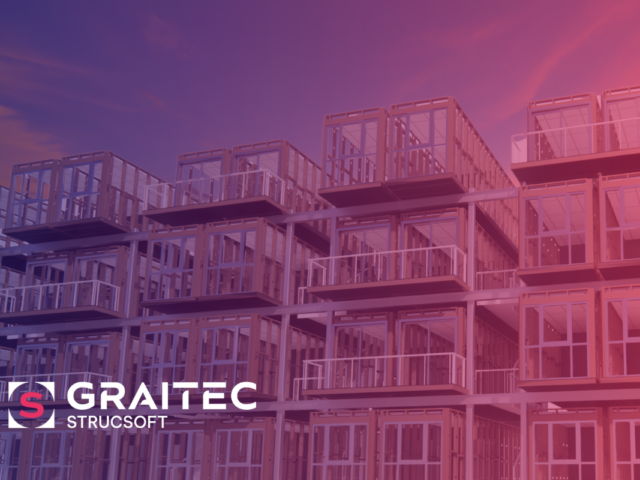
Because of these unique needs, some companies are turning to modular construction for AI data centers—a solution that enables rapid deployment without sacrificing performance or sustainability.
Speed and Scalability: Core Advantages of Modular
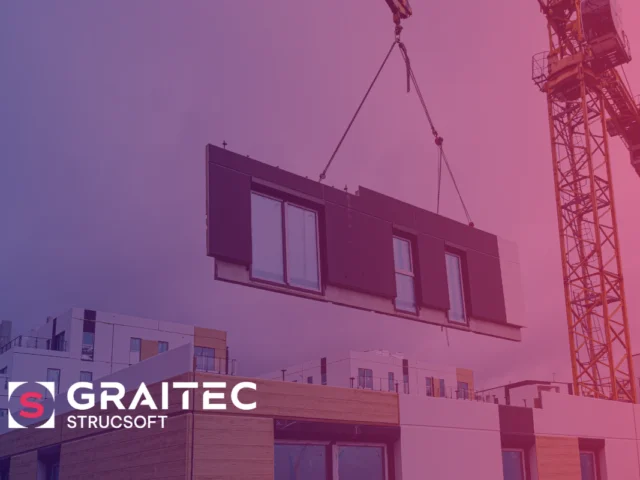
Speed is one of the top reasons companies leading the AI charge are adopting modular construction. Modular building techniques can reduce construction timelines by up to 50% compared to traditional methods. This allows companies to scale AI infrastructure quickly and stay competitive as the industry rapidly evolves.
A prominent example is the Stargate Project, a multi-billion-dollar initiative by OpenAI, Oracle, SoftBank, and MGX. The first phase includes a 200-megawatt modular AI data center in Abilene, Texas, with long-term plans to reach 1.2 gigawatts of capacity. Modular construction is reported to be central to achieving this ambitious timeline.
Sustainable Construction for AI Infrastructure
Sustainability is another driver behind the shift to modular methods. Building AI data centers in a controlled factory environment minimizes waste and allows for the use of recyclable materials like light-gauge steel (LGS). LGS is durable, lightweight, and aligns with green building practices.
For companies focused on sustainability goals, modular construction supports ecofriendly AI data centers that are built to last, with features like lower onsite emissions and noise and enhanced use of renewable or recyclable components.
Smarter Builds Using BIM and Revit
The efficiency of modular construction is amplified when paired with Building Information Modeling (BIM) tools such as Autodesk Revit. BIM enables teams to visualize complex designs and infrastructure systems, streamline workflows from planning to assembly, and minimize errors, rework, and wasted materials. By leveraging BIM for modular AI data centers, companies can enhance precision, reduce costs, and deliver high quality facilities with fewer delays.
Key Players Driving Modular for AI Data Centers
Several noteworthy innovative companies are leading the way in modular construction for AI infrastructure:
- Crusoe Energy Systems – Specializing in modular computing infrastructure powered by stranded energy.
- TAS Energy and PCX Corporation – Experts in prefabricated modular utility systems.
- Turner Construction Company – A recognized leader in large-scale modular construction.
- Schneider Electric and Vertiv – Providing modular power and cooling systems tailored for AI workloads.
Addressing Challenges
Despite the advantages, modular construction for AI data centers still faces a few challenges. Wider adoption of BIM tools is essential for maximizing design and construction efficiency. In addition, supply chain volatility can impact the availability of critical components. When it comes to transporting modules, there can be logistical hurdles. And while higher initial costs are typically offset by long term operational savings, some companies are still put off by the required upfront investment.
Modular Future of AI Infrastructure
With AI expansion rapidly taking place, the pressure is on for companies to build data centers that are fast and scalable while being environmentally responsible. Modular construction offers a proven path forward, enabling tech companies to deploy AI-ready infrastructure with greater speed and efficiency than ever before.
As an unprecedented amount of money is being invested and thousands of jobs are created, the growing role of modular construction in powering AI infrastructure is becoming essential.